
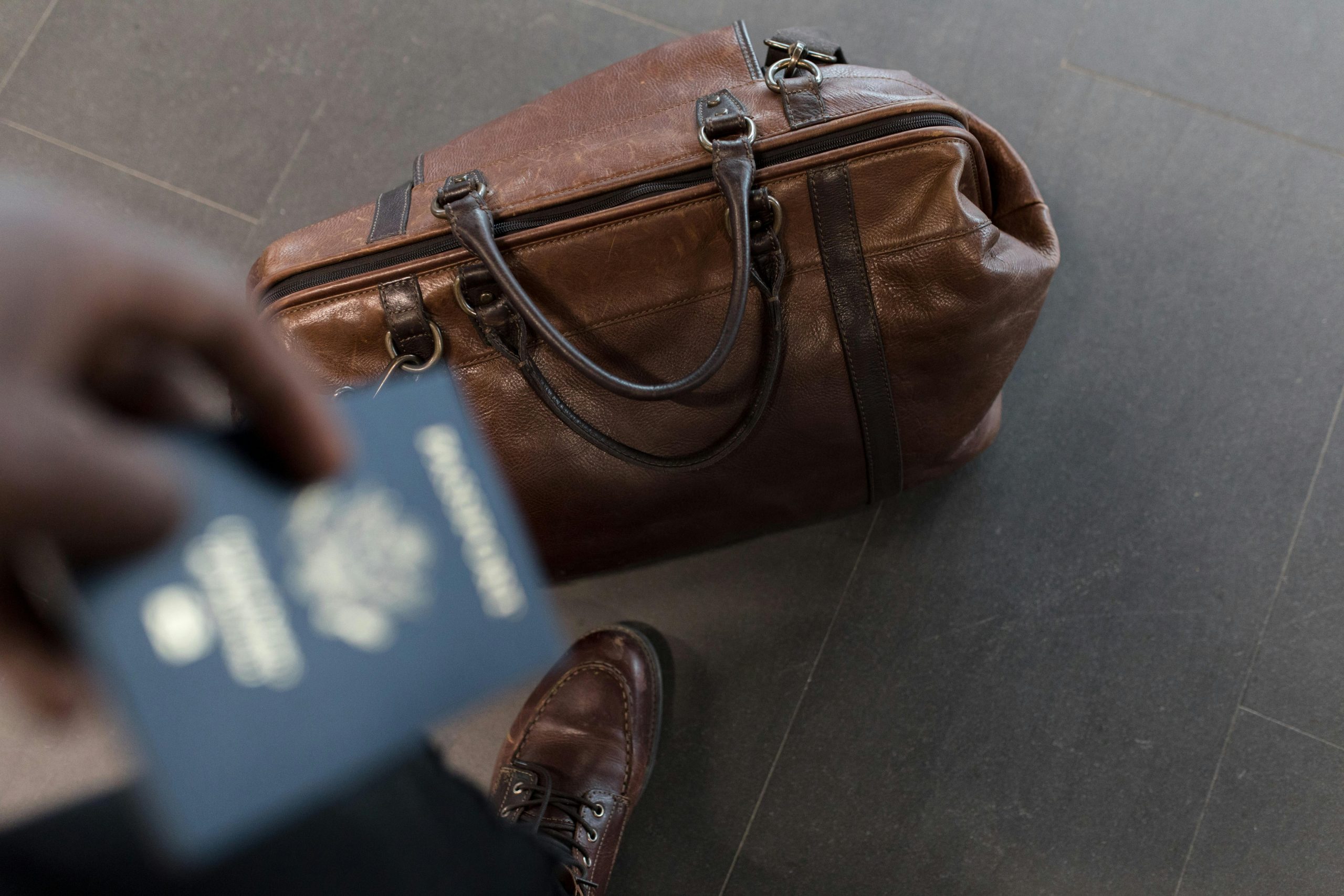
If it feels like you get sick every single time you travel, you’re not imagining it, and you’re not alone.
Many people notice the same pattern: they feel fine at home, but shortly after a flight or trip, they develop a sore throat, congestion, fatigue, stomach issues, or flu-like symptoms.
The short answer is this: travel temporarily weakens your immune system, making it easier for illnesses to take hold.
Stress, poor sleep, dehydration, and exposure to new germs all happen at once when you travel, and your body feels it.
Once you understand why this keeps happening, it becomes much easier to prevent.
Why Do I Get Sick Every Time I Travel?
Travel puts unusual stress on the body, even when the trip itself is enjoyable.
Your immune system works best when your routine is stable, your sleep is consistent, and your stress levels are manageable.
Travel disrupts all of those things at once.
For many people, that disruption is enough to lower immune defenses just long enough for a virus or infection to slip through.
If your unsure or need help managing your symptoms while traveling, Vacation Medicine offers virtual urgent care to help wherever you are.
Why Travel Weakens the Immune System
Travel-related illness usually isn’t caused by one single factor.
It’s the combined effect of several immune stressors happening at the same time.
Sleep Disruption Lowers Your Defenses
Early flights, late arrivals, jet lag, time zone changes, and unfamiliar sleeping environments all interfere with deep, restorative sleep.
Even a few nights of poor sleep can reduce the body’s ability to produce infection-fighting immune cells.
When your sleep is off, your immune system reacts more slowly, which makes it harder to fight off viruses you’d normally handle without much trouble.
Stress Hormones Suppress Immune Response
Travel almost always comes with stress, even when it’s a vacation.
Packing, airport lines, flight delays, unfamiliar places, and tight schedules all trigger stress hormones like cortisol.
When cortisol stays elevated for too long, it suppresses immune function.
This makes your body more vulnerable to infections, especially if you were already feeling run down before your trip started.
Dehydration Weakens Natural Barriers
Flying is particularly dehydrating.
Cabin air is very dry, and many travelers don’t drink enough water before or during flights.
Dehydration dries out the mucous membranes in your nose and throat, which act as one of your first lines of defense against germs.
When those barriers dry out, viruses have an easier time entering your system.
Exposure to New Germs Happens All at Once
Travel dramatically increases exposure to unfamiliar viruses and bacteria.
Airports, airplanes, public transportation, hotels, and crowded attractions bring you into close contact with people from many different regions.
Your immune system may not recognize these new germs quickly, which is why symptoms often show up a few days after you arrive, or even after you return home.
Changes in Diet and Alcohol Add to the Problem
Travel often comes with changes in eating habits, irregular meals, and increased alcohol intake.
This can disrupt gut health, which plays a major role in immune function.
When digestion is off, immune response can weaken, making it easier for illness to develop.
Why It Feels Like This Happens Every Time
Some people are more prone to getting sick while traveling.
You may notice this pattern more often if you:
- Travel frequently or take long-haul flights
- Cross time zones or travel internationally
- Feel stressed or overtired before leaving
- Have allergies, asthma, or sinus issues
- Have an autoimmune condition or chronic illness
- Travel with young children
In these cases, travel acts like the final push that overwhelms an already strained immune system.
Why Flying Often Makes It Worse
Many people specifically ask, “Why do I get sick after flying?”
Flying combines several immune stressors at once: dry cabin air, close contact with other passengers, prolonged sitting, dehydration, and sleep disruption.
It’s not that planes are inherently unsafe, it’s that they create the perfect conditions for immune strain if you’re not prepared.
How to Stop Getting Sick When You Travel
Getting sick every time you travel isn’t inevitable.
Prevention starts before you leave.
Before You Travel
Getting adequate sleep for several nights before your trip, staying well hydrated, managing stress, and making sure routine and travel-specific vaccinations are up to date can make a real difference.
People traveling internationally or frequently may benefit from pre-travel medical guidance to address individual risk factors.
During Travel
Drink water consistently, especially on flights.
Limit alcohol and excess caffeine, wash or sanitize your hands often, and allow yourself time to rest after arrival instead of pushing through exhaustion.
If Symptoms Start
Address symptoms early rather than waiting.
Rest, hydrate, and adjust your schedule if possible.
If symptoms worsen, persist, or feel more serious than a typical cold, medical guidance can help you recover faster and avoid complications.
How Vacation Medicine Can Help, Even While You’re Traveling
Travel health works best when it’s proactive, but support shouldn’t stop once your trip begins.
Vacation Medicine helps travelers stay healthy before, during, and after travel through personalized care, including virtual urgent care.
If you start feeling sick while traveling, virtual urgent care allows you to speak with a medical provider remotely, without needing to find an unfamiliar clinic or urgent care center in a new location.
This can be especially helpful for managing symptoms early, getting medical advice, or determining whether further treatment is needed, all from wherever you are.
The Bottom Line: Why Do I Get Sick Every Time I Travel
If you get sick every time you travel, it’s not bad luck.
Travel temporarily weakens the immune system through stress, sleep disruption, dehydration, and exposure to new germs, all at once.
Understanding why it happens puts you in a much better position to prevent it.
With the right preparation and access to medical support when you need it, travel doesn’t have to end with illness, and it doesn’t have to derail your plans.
FAQs: Why Do I Get Sick Every Time I Travel
How can I boost my immune system while traveling?
The best way to support your immune system while traveling is to start before your trip. Prioritizing sleep, staying well hydrated, eating balanced meals, and managing stress all help keep immune defenses strong. During travel, drinking plenty of water, limiting alcohol, washing your hands often, and allowing time to rest after arrival can reduce your risk of getting sick.
Why do I get travel sick so easily?
Some people are more sensitive to the physical stress of travel than others. Changes in sleep, routine, hydration, and exposure to new environments can strain the immune system, especially if you’re already tired or stressed. If you tend to get sick easily while traveling, it often means your immune system needs more support before and during trips.
Why do I get flu-like symptoms after flying?
Flu-like symptoms after flying are often caused by a combination of dehydration, poor sleep, stress, and exposure to new germs in close quarters. Dry cabin air can weaken natural defenses in the nose and throat, making it easier for viruses to enter the body. Symptoms may appear a day or two after a flight once the immune system is overwhelmed.
Why do I get sick every time I go to another country?
International travel exposes your body to unfamiliar viruses, bacteria, foods, and environments. Crossing time zones, disrupting sleep patterns, and experiencing higher stress levels can further weaken immune defenses. This combination makes it more likely to get sick, especially if you travel frequently or already feel run down before leaving.
Why do I get sick every time I’m on a plane?
Airplanes combine several immune stressors at once, including dry air, close contact with other passengers, prolonged sitting, and limited movement. Dehydration and poor sleep around travel days also play a major role. While planes aren’t inherently unsafe, they can increase your risk of illness if your body isn’t well prepared.
What should I do if I’m sick after traveling?
If you start feeling sick after traveling, it’s important to rest, hydrate, and avoid overexerting yourself. Addressing symptoms early can help prevent them from getting worse. If symptoms persist, worsen, or feel more serious than a typical cold, seeking medical guidance, such as virtual urgent care, can help you recover more quickly and safely.
What should I do if I’m sick before a flight?
If you’re already sick before a flight, focus on rest, hydration, and symptom management as much as possible. Traveling while sick can place additional strain on your immune system and increase recovery time. In some cases, speaking with a medical provider before flying can help you decide whether it’s safe to travel and how to manage symptoms during your trip.

Vacation Medicine was founded by Dr. Erik Petersen, DO and Dr. Will Carlson, MD — board-certified in internal medicine and family medicine respectively, with decades of combined experience in emergency medicine. Our mission is to make high-quality, convenient care accessible without the stress, wait times, and high costs of traditional emergency rooms.